
5 Ways Tree Maintenance Saves You Money in 2026
Chop n Drop Tree Specialists • August 3, 2026
Most homeowners think of a tree as a fixed feature of the yard, something that simply exists in the background until it doesn't. Then a storm rolls through, a limb comes down across the fence line, and suddenly what looked like a garden asset turns into an unplanned expense. This is the reality that makes regular tree maintenance one of the smartest financial decisions a property owner can make, not just a cosmetic one. Skipping it doesn't save money, it just delays the bill and usually makes it bigger.
A tree left unmanaged for years can quietly develop structural weaknesses long before any visible sign of trouble appears. Roots creep toward pipes, deadwood builds up in the canopy and heavy limbs stretch further over rooflines each season. None of this shows up as an emergency until it does, and by then the cost of fixing the damage far outweighs what routine care would have cost. The themes below go well beyond pruning schedules, touching on property value, insurance risk, seasonal weather patterns and the practical trade-off between paying a professional now or paying a much larger bill later.
It Prevents Structural Damage Before It Starts
Trees don't fail overnight, they build toward it. A limb that's been growing unchecked for years eventually reaches a tipping point where its own weight, combined with wind load, becomes more than the trunk can bear. This is why proactive tree maintenance is fundamentally about catching problems while they're still small and manageable rather than waiting for a collapse. Overhanging branches near a roofline are a common example, dropping debris that clogs gutters long before they ever pose a direct falling risk. Left long enough, though, they become the exact hazard that ends up costing thousands to repair.
Regular inspection and pruning keeps this risk in check across several parts of a property:
- Roof protection: removing overhanging limbs reduces shingle damage and gutter blockages
- Foundation safety: monitoring root growth helps keep concrete and plumbing intact
- Fence preservation: clearing boundary trees avoids expensive repairs after storms
- Utility line clearance: keeps power lines clear, reducing outage and fire risk
- Shed and structure care: prevents smaller outbuildings being crushed by deadwood fall
It Cuts Down On Costly Emergency Callouts
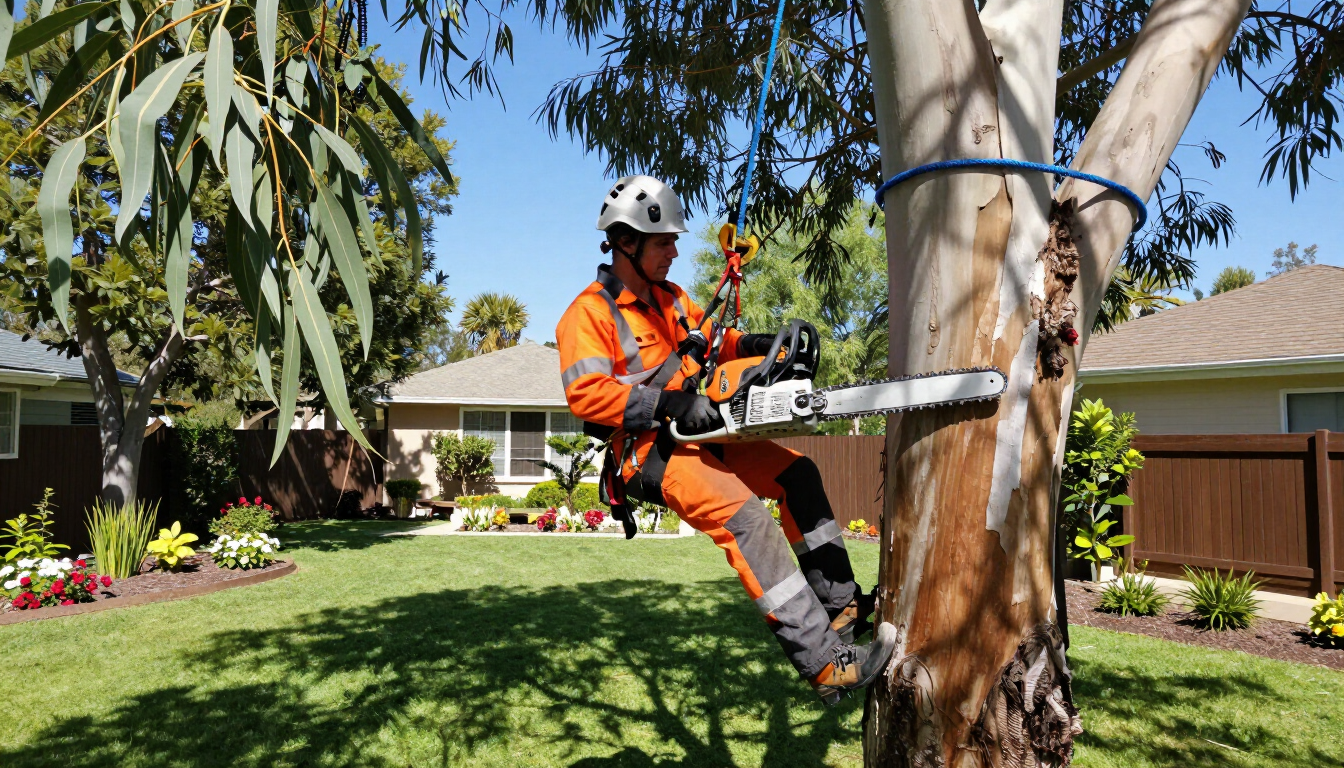
There's a reason emergency tree removal carries a higher price tag than scheduled work, and it isn't just convenience. A tree that comes down in a storm at night means mobilising a crew, machinery and safety equipment under time pressure, often with restricted access and unpredictable conditions. None of that comes cheap, and homeowners rarely have the luxury of shopping around for quotes when a tree is already resting on a car or a fence. Scheduled maintenance avoids this entirely by identifying risk while there's still time to act calmly.
The financial gap between planned and reactive tree care becomes clear when you consider what each scenario typically involves:
- Scheduled pruning: planned timing, standard equipment, predictable cost
- Emergency removal: urgent mobilisation, specialised gear, after-hours rates
- Storm damage cleanup: often bundled with repair costs for fencing or roofing
- Risk assessments: catch problems before they escalate into emergencies
- Ongoing monitoring: reduces the likelihood of a callout ever being needed
It Protects Your Property's Long-Term Value
A well-maintained tree canopy does more than look appealing from the street, it signals to any future buyer or valuer that the property has been cared for. Real estate agents and valuers alike recognise mature, healthy trees as a point of value, provided they're not posing an obvious risk. On the flip side, a property with visibly neglected trees, deadwood in the canopy or roots buckling a driveway can raise red flags during an inspection and become a bargaining point against the seller. Maintenance here isn't cosmetic, it's protecting an asset that took decades to grow.
Consistent care contributes to value retention in a few clear ways:
- Healthy canopy structure improves street appeal and buyer perception
- Removing hazard trees avoids valuation deductions during sale
- Documented maintenance history reassures buyers and insurers
- Reduced risk of storm damage protects surrounding structures
- Long-term tree health supports shade, privacy and garden aesthetics
It Stops Root Damage Before It Gets Expensive
While falling limbs get most of the attention, root systems cause just as much financial harm, only slower and less visibly. Roots seeking moisture will find the path of least resistance, which often means growing into or around underground pipes, driveways and even shallow foundations. By the time cracks appear in concrete or drainage starts backing up, the root system has usually been causing pressure for years. Addressing this early, through root management and appropriate species selection, avoids a repair bill that can run into the tens of thousands for foundation or plumbing work.
Root-related risks tend to show up in predictable places around a property:
- Driveways and paths: cracking from underground root pressure
- Plumbing lines: root intrusion causing blockages or pipe damage
- Retaining walls: gradual displacement from root growth beneath
- Garden beds: competition for water affecting other plants
- Building foundations: long-term risk if left completely unmonitored
It Reduces Storm Season Risk Through Correct Pruning
Coastal and inland properties alike face a similar seasonal challenge each year: wind. Trees with overextended, poorly balanced canopies act almost like sails in a storm, catching wind load that puts direct pressure on the trunk and root plate. Correct pruning reduces this sail effect by removing excess weight and improving airflow through the canopy, which in turn lowers the chance of a limb snapping or an entire tree uprooting. This isn't about cutting trees back aggressively, it's about shaping them so they can handle conditions they'll inevitably face.
Pre-storm season preparation typically focuses on a few key actions:
- Deadwood removal to eliminate the weakest points in the canopy
- Crown thinning to reduce wind resistance without harming tree health
- Structural pruning to correct weak branch unions before they fail
- Canopy balancing to prevent uneven weight distribution
- Root inspection to check stability in saturated or loose soil
Get In Touch With Us Today
We at
Chop n Drop Tree Specialists understand that tree maintenance is as much about protecting your finances as it is about keeping your garden looking its best. Whether you're dealing with overhanging limbs near the roofline, a tree that's outgrown its space, or you simply want a health assessment before storm season arrives, our team brings the experience needed to get it right the first time. We work across Lake Macquarie, including areas like Charlestown, Warners Bay and Valentine, where mature trees are a common feature of local properties and the terrain often calls for careful, considered work. If you'd like a site visit, a free quote or advice on the right maintenance schedule for your trees,
give us a call or book online today. We're ready to help you avoid the costly surprises that come with neglected trees.


